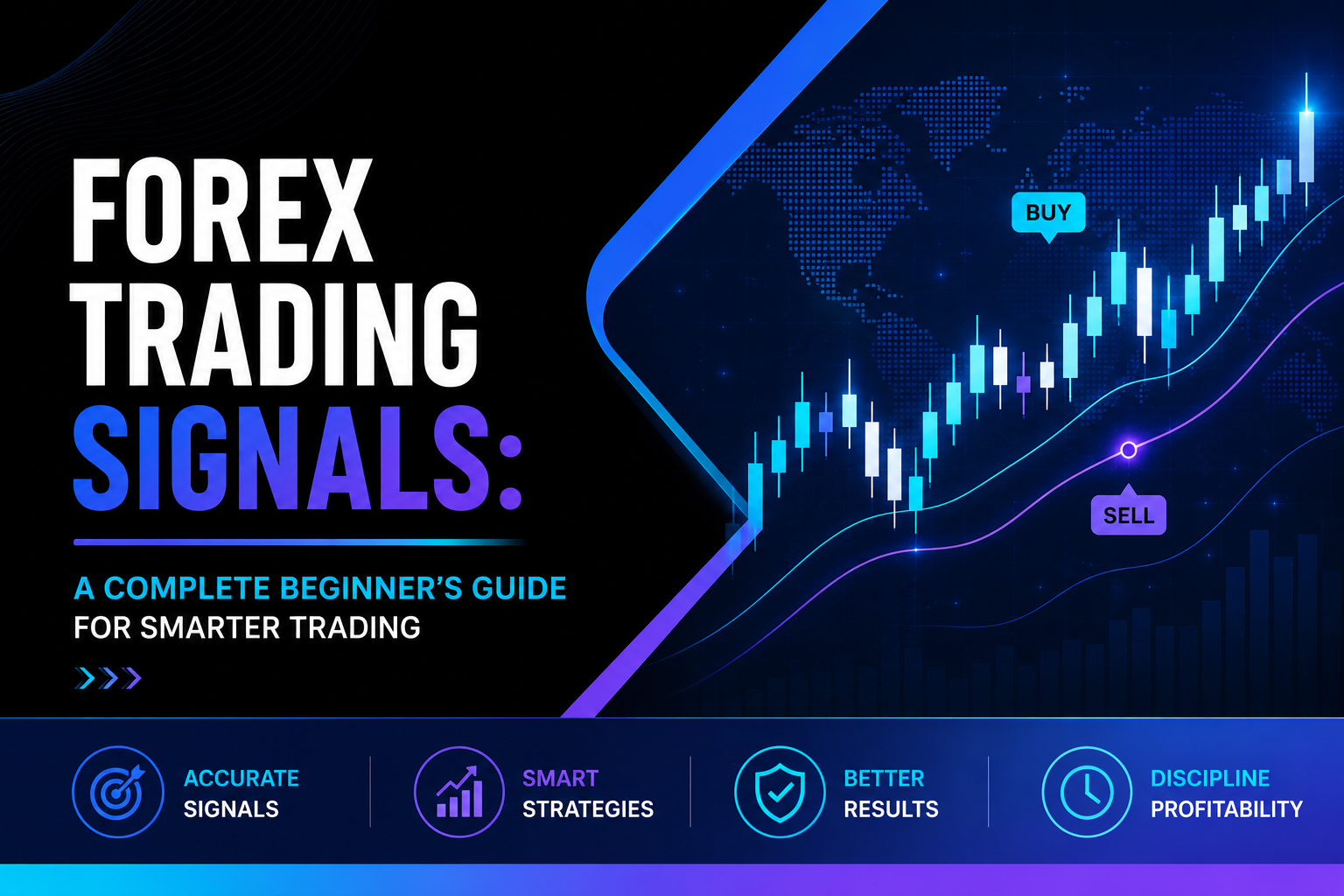
Forex trading signals can help beginners understand possible buy and sell opportunities in the currency market. A forex signal usually includes a currency pair, trade direction, entry price, stop loss, take profit, and sometimes the reason behind the trade.
However, forex signals are not guaranteed profit alerts. They are trading ideas that must be used with proper risk management, education, and personal judgment. Beginners should use forex signals as a learning tool, not as a replacement for understanding the market.
In this guide, you will learn what forex trading signals are, how they work, how to read a signal, the risks involved, how to avoid fake signal providers, and how to use signals safely in 2026.
Important risk warning: Forex trading involves significant risk and may not be suitable for every trader. This guide is for educational purposes only and should not be considered financial advice.
However, trading signals are not magic. They are tools. When used correctly, they can support better decision-making, improve timing, and help traders understand the market more clearly. In this guide, you’ll learn what forex signals are, how they work, their benefits, risks, and how to choose a trustworthy forex signal provider.
What Are Forex Trading Signals?
Forex trading signals are trade alerts that suggest when to buy or sell a currency pair. These signals are usually based on technical analysis, fundamental analysis, price action, market trends, or a combination of different trading methods.
A typical forex signal may include:
Signal Detail | Example |
Currency Pair | EUR/USD |
Action | Buy |
Entry Price | 1.0850 |
Stop Loss | 1.0810 |
Take Profit | 1.0920 |
In simple words, forex signals help traders identify possible trading opportunities. They are commonly used by beginners, part-time traders, and busy traders who want market guidance without analyzing charts all day.
How to Read a Forex Trading Signal
To use forex signals safely, you must understand each part of the signal before placing a trade.
Signal Part | Meaning |
Currency Pair | The forex pair being traded, such as EUR/USD or GBP/USD |
Buy or Sell | The direction of the trade |
Entry Price | The price where the trade should be opened |
Stop Loss | The price where the trade should close if it goes wrong |
Take Profit | The price where the trade should close if it reaches the target |
Risk-to-Reward Ratio | The potential loss compared with the potential profit |
For example:
EUR/USD Buy Signal
Entry: 1.0850
Stop Loss: 1.0810
Take Profit: 1.0920
In this example, the risk is 40 pips because the stop loss is 40 pips below the entry. The possible reward is 70 pips because the take profit is 70 pips above the entry. That gives a risk-to-reward ratio of around 1:1.75.
If the price reaches 1.0810, the trade closes at a loss. If the price reaches 1.0920, the trade closes in profit. If the price has already moved far away from the entry level, beginners should avoid chasing the trade.
How Forex Trading Signals Work
Forex trading signals are created after analyzing market conditions. The analysis may be manual, automated, or a combination of both.
Technical analysis focuses on chart patterns, support and resistance, trend direction, candlestick patterns, moving averages, indicators, and price action.
Fundamental analysis focuses on economic news, inflation data, interest rates, central bank decisions, employment reports, and global events that can affect currency prices.
After a trading opportunity is identified, the signal is usually sent through:
- Telegram groups
- WhatsApp alerts
- Email notifications
- Mobile apps
- Copy trading platforms
- Trading dashboards
Some traders manually place trades after receiving a signal. Others use copy trading, where trades are automatically copied into their trading account.
Types of Forex Trading Signals
Manual Forex Signals
Manual forex signals are created by traders, analysts, or market experts. These signals often include human judgment, market context, and experience-based analysis.
Manual signals can be useful when market conditions are changing quickly, but their quality depends on the skill and discipline of the person creating them.
Automated Forex Signals
Automated forex signals are generated by algorithms, bots, or technical indicators. They can scan the market quickly and follow fixed rules.
However, automated signals may struggle during unexpected news events, high volatility, or unusual market conditions.
Free Forex Signals
Free forex signals are often shared through websites, social media, Telegram groups, or trading communities. They can help beginners learn how signals are structured.
However, free signals may not always include detailed analysis, risk management guidance, or verified performance history.
Paid Forex Signals
Paid forex signals are offered through subscription services or premium trading communities. They may include more detailed analysis, support, trade management updates, and educational guidance.
However, paid does not always mean better. Traders should check the provider’s transparency, risk management, and track record before paying.
Copy Trading Signals
Copy trading allows trades from another trader or provider to be copied automatically into your trading account. This can save time, but it also carries risk because losses are copied too.
Beginners should test copy trading on a demo account first and avoid copying traders who use high risk or unrealistic lot sizes.
Free vs Paid Forex Trading Signals
| Feature | Free Forex Signals | Paid Forex Signals |
| Cost | Free | Monthly or subscription-based |
| Analysis | Limited | Usually more detailed |
| Support | Rare | Often included |
| Reliability | Mixed | Depends on provider |
| Best For | Learning basics | Serious traders |
Free signals can be useful for learning. Paid signals may provide better structure, but traders should never trust a provider only because they charge money. Always review their risk management, transparency, and trading style.
Are Forex Trading Signals Worth It?
Forex trading signals can be worth it for beginners if they are used as an educational tool. Good signals can help traders understand entry points, stop-loss placement, take-profit targets, market direction, and risk-to-reward planning.
However, forex signals are not worth it if you follow them blindly, ignore risk management, or believe they can guarantee profit. The best way to use signals is to study the reason behind each trade and track your results over time.
Forex signals should support your trading decisions, not replace your own learning.
Benefits of Using Forex Trading Signals
Forex trading signals can be helpful when used with discipline and proper risk control.
Key benefits include:
- Saves time on market research
- Helps beginners understand trade setups
- Provides clear entry and exit levels
- Supports better trading discipline
- Helps traders learn from real market examples
- Gives busy traders structured market alerts
- Can support decision-making when combined with education
For beginners, forex signals can be useful because they show how trades are planned. For busy traders, they can reduce the need to constantly watch charts.
Risks and Limitations of Forex Trading Signals
Forex trading signals also come with serious risks. No signal provider can guarantee profits because the forex market is affected by volatility, liquidity, news events, spreads, slippage, and unexpected price movements.
Common risks include:
- Following signals without understanding them
- Over-relying on signal providers
- Ignoring stop-loss levels
- Using oversized lot sizes
- Entering trades late
- Trusting fake performance screenshots
- Believing unrealistic profit claims
- Emotional trading after losses
- Market slippage during fast movements
Always remember: a forex signal is only a trade idea. It is not a guarantee.
How to Avoid Forex Signal Scams
Fake forex signal providers are common, especially on social media and messaging platforms. Beginners should be careful before joining any signal group or paying for a subscription.
Avoid providers that:
- Promise guaranteed profits
- Claim 100% winning signals
- Show only luxury lifestyle marketing
- Do not provide stop-loss levels
- Hide losing trades
- Use fake screenshots or unverifiable results
- Pressure you to join quickly
- Ask you to deposit money with an unknown broker
- Do not explain trade reasoning
- Do not provide risk management guidance
A trustworthy forex signal provider should focus on education, transparency, realistic expectations, and risk control.
How to Choose a Reliable Forex Signal Provider
Choosing the right provider is one of the most important steps. A reliable forex signal provider should be transparent and realistic.
Look for these qualities:
- Clear entry, stop-loss, and take-profit levels
- Realistic performance history
- Risk management guidance
- Explanation behind trade setups
- No guaranteed profit claims
- Consistent communication
- Positive user feedback
- Educational support
- Transparent terms and pricing
- Clear risk disclaimer
Avoid any provider that says forex trading is easy, risk-free, or guaranteed. In trading, trust is built through consistency, honesty, and responsible risk management.
Forex Trading Signals for Beginners
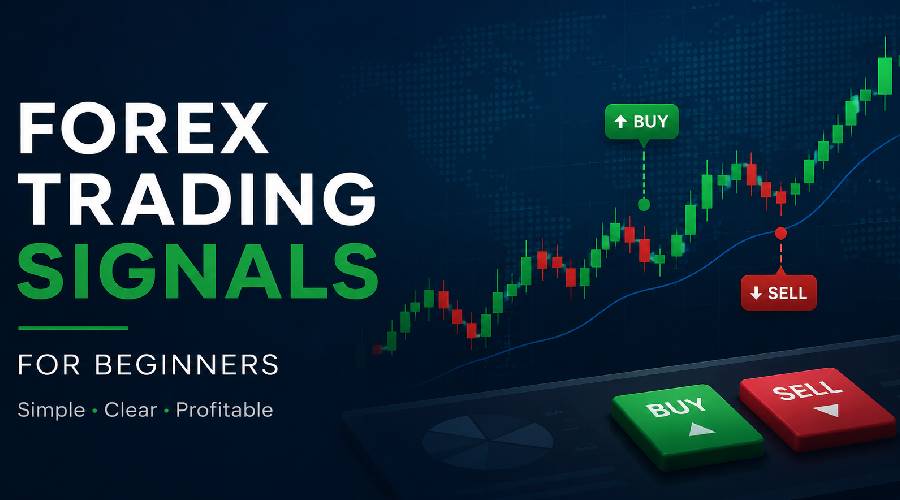
For beginners, forex signals can be a helpful starting point. However, you should not blindly copy every trade. Instead, use each signal as a learning opportunity.
Ask yourself:
- Why is this trade being suggested?
- What trend is the market following?
- Where is the stop loss placed?
- What is the risk-to-reward ratio?
- Does this trade match my account size?
Beginners should start with small risk, use demo accounts when needed, and focus on learning basic forex strategies before increasing trade size.
Best Practices for Using Forex Trading Signals
To get better results from trading signals, follow a clear plan.
Use Proper Risk Management
Never risk too much on one trade. Many professional traders risk only a small percentage of their account per trade.
Check the Market Before Entering
Even if a signal looks strong, review the chart and current market condition before entering.
Avoid Revenge Trading
Losses are part of trading. Do not increase lot size emotionally after a losing signal.
Track Your Results
Keep a trading journal. Record each signal, result, mistake, and lesson learned.
Combine Signals With Education
The best traders do not only follow signals. They learn from them.
Common Mistakes Traders Make
Many traders fail not because signals are bad, but because they use them incorrectly.
Common mistakes include:
- Entering trades late
- Ignoring stop loss
- Using oversized lot sizes
- Chasing every signal
- Joining unreliable groups
- Expecting instant profits
- Not learning forex market analysis
- Switching providers too often
The goal is not to take more trades. The goal is to take better trades with discipline and patience.
Ready to Trade With More Confidence?
Want clear, timely, and professionally analyzed forex signals?
Join a trusted trading signal community and receive structured trade alerts, market insights, and beginner-friendly guidance. Start making smarter trading decisions with signals designed to support your journey.
Sign up today and take the next step toward disciplined forex trading.
Conclusion
Forex trading signals can be useful for beginners and busy traders who want guidance in the currency market. They can help traders understand buy and sell setups, entry levels, stop-loss placement, and take-profit targets.
However, signals should never replace education, personal responsibility, or risk management. No forex signal can guarantee profit, and traders should avoid providers that make unrealistic claims.
The safest way to use forex trading signals is to start with education, test on a demo account, track results, and only risk money you can afford to lose. Used wisely, forex signals can help you trade smarter — not blindly.
FAQs
Forex Trading Signals are trade alerts that suggest when to buy or sell a currency pair. They usually include entry price, stop loss, and take profit levels.
Yes, forex signals can help beginners learn how trades are structured. However, beginners should use signals with proper risk management and education.
Paid forex signals often provide more detailed analysis, support, and consistency. However, quality depends on the forex signal provider.
No. No trading signal can guarantee profit because the forex market is risky and constantly changing.
Choose a provider with transparent results, clear risk management, realistic claims, support, and proper market analysis.